Educational Researcher and Physics Lecturer
Teaching philosophy
In my teaching, I strive to inspire curiosity through demonstrations and experiments that visualize and analyze physical phenomena, challenging intuition and prompting class discussions. In addition, some of the lessons are hands-on, project-based (i.e., building scientific equipment using what they know), providing students with the flexibility and freedom to express themselves individually and collaboratively.
In this portfolio, you can find some examples of how my teaching philosophy is expressed in daily practice.
Videos:
The benefits of asking questions, Open lectures, and Science competitions
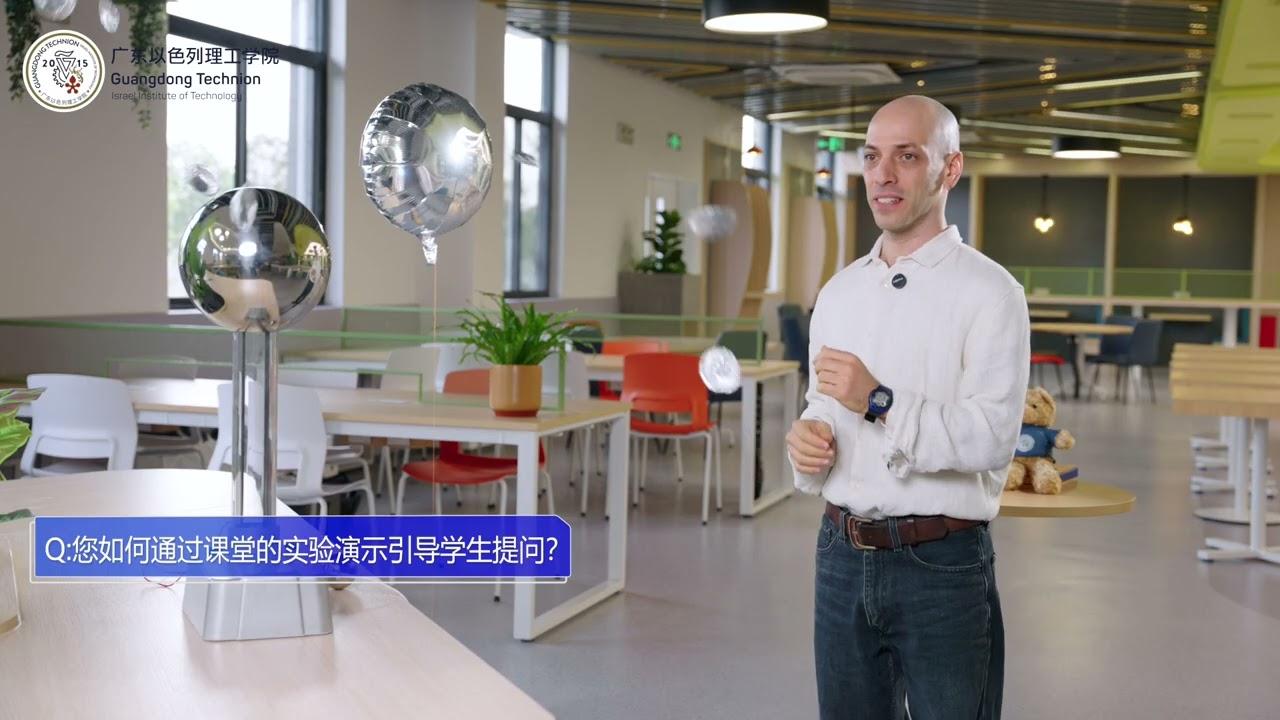
Interview - Asking Questions

Rotational motion - Open day's lecture

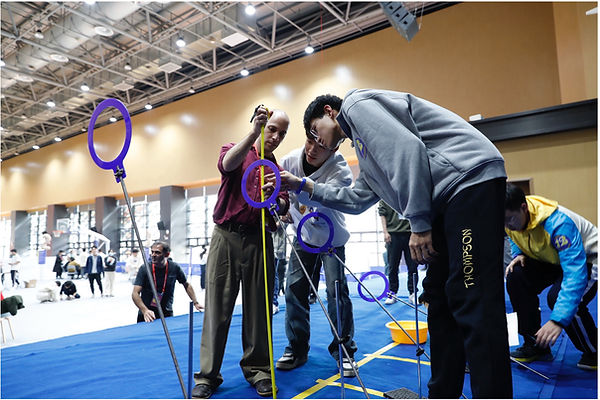
Science competition

monkey and the hunter

Newton's First Law - Open day's lecture
Classroom demonstrations
Using physical demonstrations and simulations to increase curiosity, question our intuition, and increase class discussions.
monkey and the hunter
The monkey and the hunter
Torque
Spinning wheels and chairs
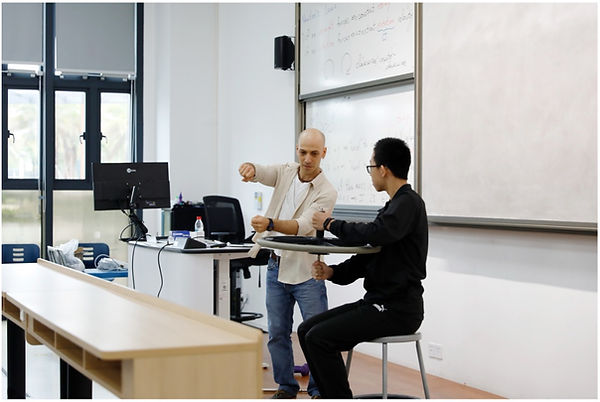

Inertia
What happens when a ball is bounced up when it is in an object that moves at a constant velocity?
Hands-on activities
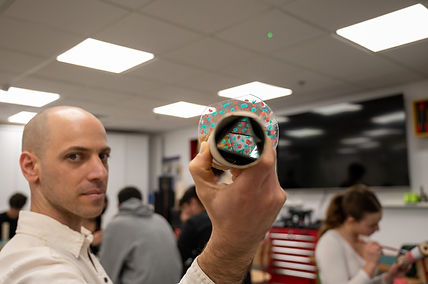
kaleidoscope
From an optical point of view, how will each mirror shape (triangle, square, etc.) affect what is seen?
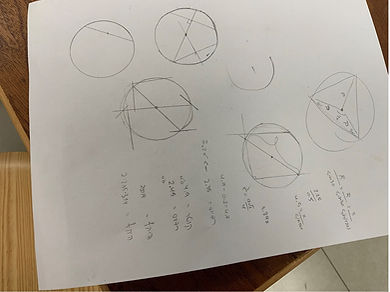
From a geometric point of view, how will they decide what the lengths should be? How do you decide where the center of the circle is?
"Rings of fire"
Calculating and arranging rings in precise positions so that a ball moving in a projectile motion will go through them.